Sprinkler Repair in Denver, CO
Broken sprinkler heads, leaking valves, cracked pipes, and controller failures diagnosed and repaired by technicians with 50+ years of combined irrigation experience. Commercial and residential service throughout Denver Metro and Douglas County.
Fast, Reliable Sprinkler Repair for Denver Properties
A malfunctioning sprinkler system does not just waste water -- it damages your landscape, drives up utility bills, and can create liability hazards on walkways and parking areas. JLS Landscape & Sprinkler has been repairing irrigation systems across the Denver Metro area since 1975, and our technicians have the diagnostic experience to identify root causes, not just symptoms.
We service all major sprinkler brands and system types, from residential pop-up rotors to large-scale commercial rotor systems with central control. Whether you need a single broken head replaced or a complete system overhaul, our team arrives with stocked trucks, proper parts, and the expertise to get your system running correctly on the first visit.
JLS serves both commercial property managers and residential homeowners throughout Denver Metro and Douglas County. Our expansion back into residential service means homeowners in Castle Rock, Highlands Ranch, Sedalia, and surrounding communities now have access to the same professional-grade sprinkler repair that Denver's top commercial properties have relied on for decades.
Common Sprinkler Problems We Repair
Denver's climate is tough on irrigation systems. Freeze-thaw cycles, clay soil expansion, UV exposure, and hard water deposits all take a toll. Here are the most common sprinkler problems our technicians diagnose and repair every week.
Broken Sprinkler Heads
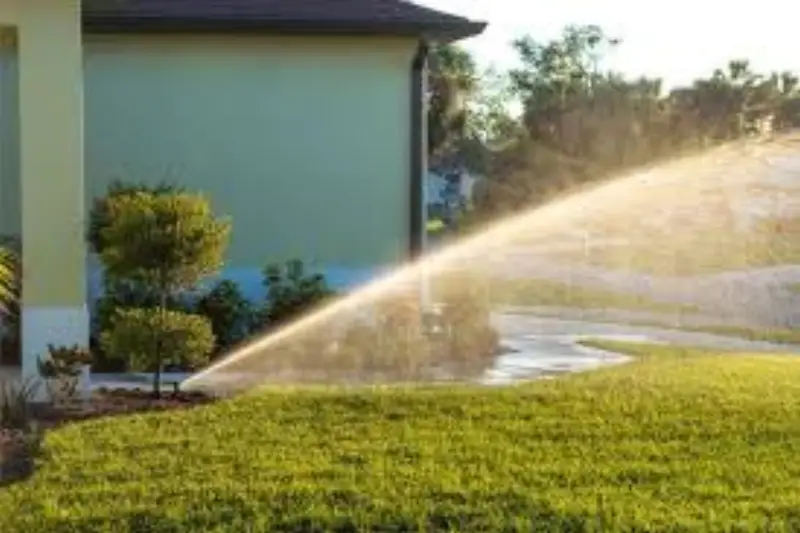
The most common repair call we receive. Sprinkler heads break from lawnmower strikes, vehicle traffic, foot traffic, and freeze damage. Signs include water geysering from a zone, heads that do not pop up, or uneven spray patterns. A broken head wastes 3-5 gallons per minute -- that adds up to thousands of gallons per watering cycle if left unrepaired.
What to look for: Water pooling around a head location, a head stuck in the up position, visible cracks in the head body, or spray shooting straight up instead of in a pattern.
Leaking Valves
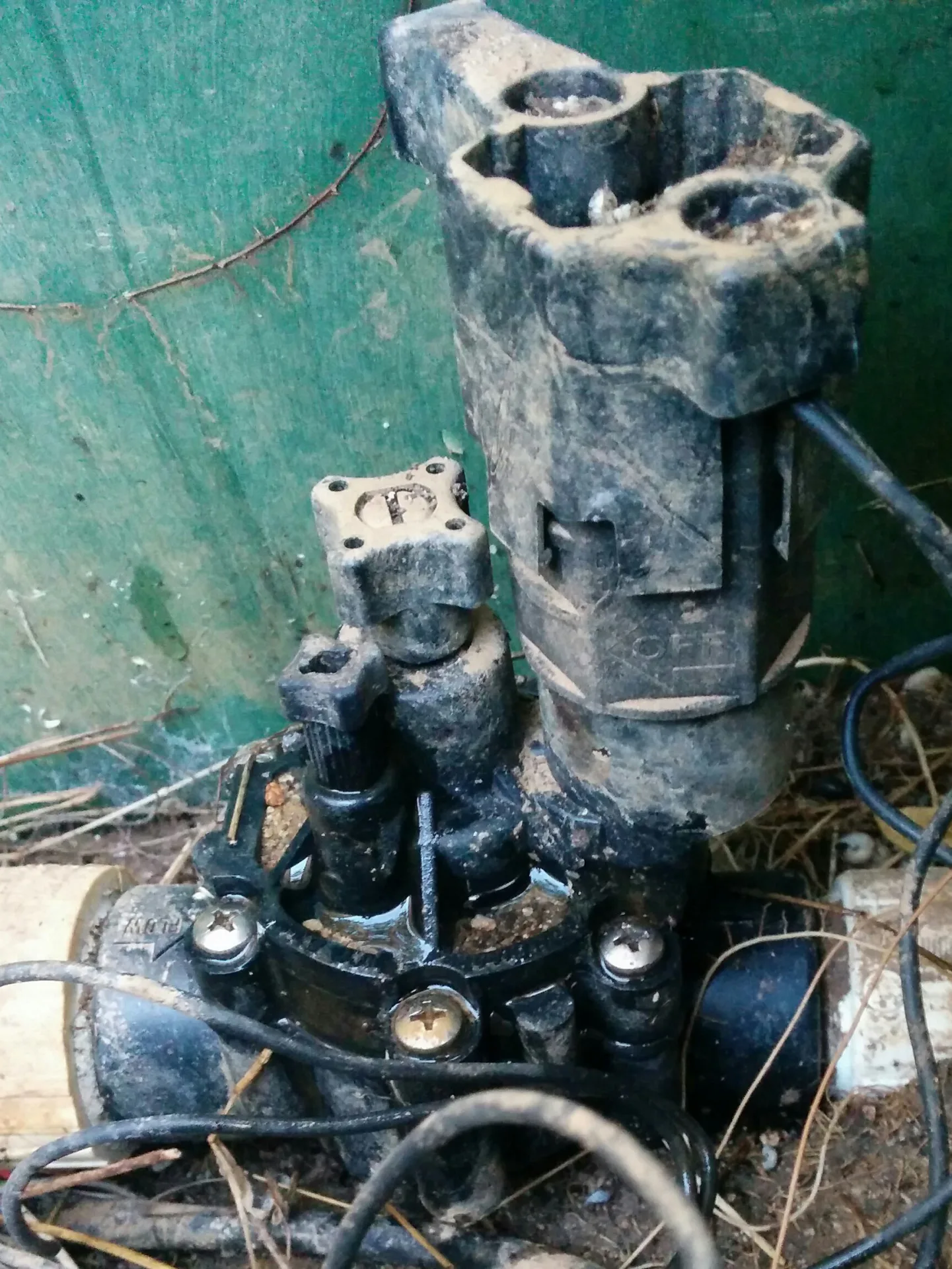
Irrigation valves control water flow to each zone. When a valve diaphragm wears out or debris gets stuck in the valve seat, water seeps through continuously -- even when the system is off. This creates constantly wet areas, wastes water 24 hours a day, and can erode soil around plantings.
What to look for: Water flowing from heads when the system should be off, a zone that runs continuously, or wet spots in your landscape that never dry out between watering cycles.
Cracked and Broken Pipes
Denver's clay soil expands and contracts with moisture changes, putting stress on buried PVC and poly pipe. Freeze damage is another major cause, especially for systems that were not properly winterized. Pipe breaks can cause dramatic water loss and may not be visible on the surface until significant erosion has occurred underground.
What to look for: Sudden drop in water pressure across multiple heads, unexplained wet areas far from any head location, sinkholes or settling in your landscape, or a spike in your water bill.
Controller and Wiring Issues
Irrigation controllers can fail from power surges, lightning strikes, corrosion, or simple age. Wiring problems -- including rodent damage to underground wires, corroded connections, and broken common wires -- prevent the controller from communicating with valves, causing zones to fail silently.
What to look for: Zones that do not turn on from the controller but work manually at the valve, a blank or unresponsive controller display, zones running at incorrect times, or random zones activating without a programmed schedule.
Low Water Pressure
Low pressure causes sprinkler heads to under-perform, creating dry spots and uneven coverage. Causes include partially closed backflow valves, municipal pressure drops, undersized mainlines, too many heads per zone, or pressure loss from leaks elsewhere in the system.
What to look for: Heads that barely pop up, spray that does not reach its full distance, misting instead of a defined stream, or a noticeable drop in coverage compared to previous seasons.
Zone Failures
When an entire zone stops working, it could be a valve failure, a wiring issue, a controller station problem, or a solenoid that has burned out. Our technicians use multimeters and systematic diagnosis to isolate the exact cause without unnecessary excavation or guesswork.
What to look for: One area of your landscape turning brown while other areas stay green, a zone number that shows "not running" on your controller, or a valve that does not click when activated.
DIY vs. Professional Sprinkler Repair
Some sprinkler issues are straightforward enough for a handy property owner to address -- replacing a broken pop-up head, adjusting a spray pattern, or clearing a clogged nozzle. But many common problems require professional diagnosis to avoid making the situation worse or wasting money on the wrong fix.
Call a professional when you encounter:
- Multiple zones failing simultaneously (suggests a mainline or common wire issue)
- Water surfacing in areas far from any sprinkler head (indicates a broken pipe)
- Persistent low pressure that does not resolve after checking the backflow valve
- Controller showing error codes or not communicating with field valves
- Backflow preventer leaking, dripping, or failing annual certification
- System has not been updated in 10+ years and is increasingly unreliable
- Water bill has spiked without any change in your watering schedule
JLS technicians arrive with fully stocked service trucks carrying the most common parts, fittings, heads, and valves. Most repairs are completed on the first visit without needing a return trip for parts.
How We Approach Sprinkler Repair
Every sprinkler repair starts with proper diagnosis. We do not guess and replace -- we test, measure, and identify the root cause before recommending any work.
System Inspection
We run each zone, check pressure readings, inspect heads and valves, and test controller communication. This full-system assessment often reveals secondary issues that would cause future problems if left unaddressed.
Diagnosis and Quote
After identifying all issues, we provide a clear explanation of what is wrong, what needs to be repaired, and what it will cost. No surprises, no upselling, no unnecessary work. You approve the scope before we begin.
Repair and Testing
We complete the repair using quality replacement parts compatible with your system. Every repair is tested under operating pressure to confirm it is working correctly before we leave your property.
System Optimization
While on-site, we adjust head patterns, check coverage uniformity, and recommend any programming changes that will improve performance. We also flag potential future issues so you can plan proactively.
Emergency Sprinkler Repair for Denver Properties
A mainline break or stuck-open valve can waste thousands of gallons per hour and cause serious property damage. JLS offers priority response for emergency sprinkler repairs that cannot wait for a standard service appointment.
Common sprinkler emergencies include:
- Mainline pipe bursts flooding a parking lot, building entry, or landscape area
- Valves stuck open and running continuously with no way to shut off the zone
- Backflow preventer failures causing water contamination risk
- System damage from construction, utility work, or vehicle impact
For emergency sprinkler repair, call 303-791-9121 immediately. Our team will assess the situation, provide guidance on shutting off water if possible, and dispatch a technician as quickly as conditions allow.
Transparent Sprinkler Repair Pricing
We believe in honest pricing with no hidden fees. Sprinkler repair costs vary based on the type of repair, parts needed, and system complexity. Here is what to expect.
What Affects Repair Cost
Repair complexity (head replacement vs. mainline excavation), parts required, number of issues found, system age, and accessibility of components all factor into the final price. Simple head replacements are on the lower end; mainline repairs or controller replacements are on the higher end.
Our Pricing Approach
We diagnose first, quote second, and repair only after you approve. There are no charges for work you did not authorize. For maintenance clients, routine repairs are often included in their service agreement, reducing out-of-pocket costs significantly.
Contact us at 303-791-9121 or request a quote online for a specific repair estimate based on your system's needs.
Sprinkler Brands We Service
Our technicians are trained on all major irrigation manufacturers. Whether your system uses Hunter, Rain Bird, Toro, Irritrol, Weathermatic, or any other brand, we stock compatible parts and know the specific repair procedures for each product line.
Beyond Repair: Full Irrigation Care
Irrigation Services
Complete irrigation management including smart controllers, seasonal programming, water conservation, and system upgrades for commercial and residential properties.
Learn More
Winterization
Protect your system from freeze damage with our fall winterization service. Most spring repair calls could have been prevented by proper October winterization.
Learn More
Landscape Maintenance
Comprehensive property care including turf management, seasonal color, aeration, and water-efficient irrigation programming year-round.
Learn MoreSprinkler Repair FAQ
Sprinkler repair costs in Denver vary based on the type and complexity of the repair. Simple head replacements are the least expensive repairs, while mainline breaks, valve replacements, and controller upgrades are more involved. JLS provides a detailed quote after diagnosing your system -- you approve all costs before any work begins. Call 303-791-9121 to schedule a diagnostic visit and get a specific quote for your repair.
Standard sprinkler repair appointments are typically scheduled within 1-3 business days. Emergency repairs -- such as mainline breaks actively flooding a property -- receive priority response. During peak spring season (April-May), when many properties discover winter damage, wait times may be slightly longer. Maintenance contract clients receive priority scheduling year-round.
Most sprinkler systems last 15-25 years with proper maintenance. If your system is less than 15 years old and issues are isolated (a few broken heads, one bad valve), repair is usually the right choice. If your system requires frequent repairs across multiple zones, has outdated components that are hard to source, or was not designed for your current landscape, a phased upgrade may be more cost-effective. Our technicians will give you an honest assessment based on your system's condition and age.
Winterization uses compressed air to evacuate all water from your irrigation pipes, valves, and backflow assembly before freezing temperatures arrive. Water left in the system expands when it freezes, cracking PVC pipes, splitting valve bodies, and rupturing backflow preventers. We estimate that 30-40% of the spring repair calls we receive could have been avoided with proper fall winterization. It is one of the most cost-effective preventive measures for any irrigation system in Colorado.
Yes. JLS is expanding back into residential services throughout Douglas County, including Castle Rock, Highlands Ranch, Parker, Sedalia, and Lone Tree. Homeowners in these communities can now access the same professional-grade sprinkler repair our commercial clients have relied on for 50+ years. We service all residential system types and brands. Call 303-791-9121 to schedule a residential sprinkler repair.