Sprinkler Blowout Services in Denver, CO
Protect your irrigation system from costly freeze damage. Our compressed-air blowout service evacuates all water from your pipes, valves, and backflow assembly before Denver's first hard freeze -- preventing repairs that cost 10 to 20 times more than the blowout itself.
Why Every Denver Irrigation System Needs a Fall Blowout
Denver's average first freeze date arrives in mid-October, and temperatures regularly drop well below zero during winter. Water left inside irrigation pipes, valves, fittings, and backflow assemblies expands when it freezes, generating enough force to crack PVC pipe, split valve bodies, rupture backflow preventers, and destroy fittings. The resulting spring repair bills typically range from hundreds to thousands of dollars -- all for damage that a fall sprinkler blowout would have prevented entirely.
A sprinkler blowout uses compressed air at controlled pressure to force all remaining water out of your irrigation system after the watering season ends. It is the single most important winterization step for any irrigation system in Colorado. JLS has performed thousands of sprinkler blowouts across the Denver Metro area and Douglas County, and we estimate that 30-40% of the spring sprinkler repair calls we receive each year are for freeze damage that a proper fall blowout would have prevented.
We service both commercial properties and residential homes throughout Denver, Castle Rock, Highlands Ranch, Parker, Lone Tree, Centennial, and the surrounding Douglas County area.
When to Schedule Your Sprinkler Blowout in Denver
The ideal window for sprinkler blowouts in the Denver Metro area is late September through mid-October, before the first sustained hard freeze. Here are the key timing considerations:
- Denver Metro: Average first freeze date is October 7-14. Schedule by early October.
- Castle Rock / Douglas County: Higher elevation means earlier freezes. Schedule by late September to early October.
- Highlands Ranch / Lone Tree: Similar to Denver Metro timing. Schedule by mid-October at the latest.
Do not wait for the first freeze to schedule -- by then, demand surges and appointment availability drops dramatically. We recommend booking your blowout in September to secure your preferred date. October is peak season, and search volume for "sprinkler blowout Denver" spikes to over 2,400 monthly searches as homeowners rush to protect their systems.
If you have already experienced a freeze and have not had your system blown out, call us immediately at 303-791-9121. We can still perform the service and minimize further damage, but the sooner you act, the better.
The Sprinkler Blowout Process
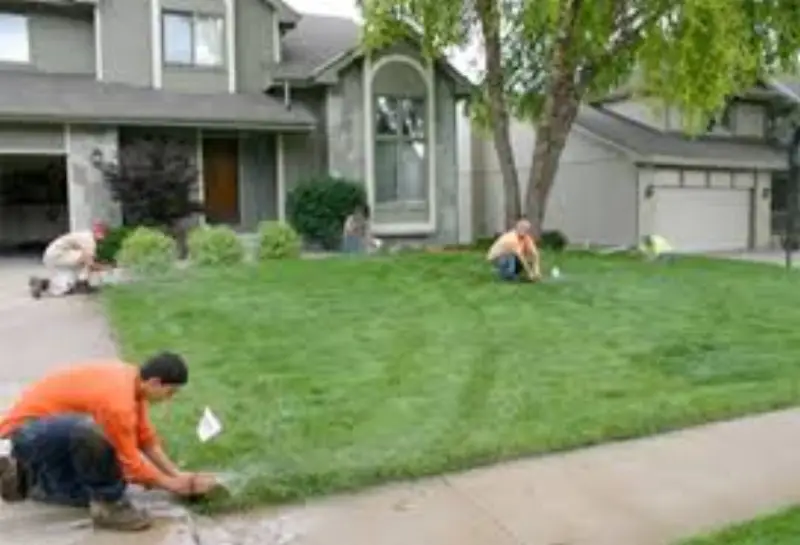
A proper sprinkler blowout is not just blasting air through your system. It requires the right equipment, correct pressure settings, and a methodical zone-by-zone approach to ensure every component is fully evacuated.
System Shutdown
We shut off the water supply to your irrigation system at the main valve and relieve pressure from the mainline. Your controller is set to "off" or "rain mode" to prevent any automatic cycling during the winter.
Compressor Connection
Our commercial-grade air compressor connects to your system through the designated blowout port or backflow test cock. We regulate air pressure to the appropriate level for your pipe type -- typically 50 PSI for polyethylene pipe and 80 PSI for PVC. Over-pressurization can damage pipes and fittings, which is why professional equipment with pressure regulation is essential.
Zone-by-Zone Evacuation
Each zone is blown out individually, starting from the zone farthest from the compressor and working back. We run each zone until no water is visible at the heads -- just dry air. Skipping a zone or rushing the process leaves water in lateral lines that will freeze and crack.
Backflow and Mainline Clearing
After all zones are clear, we evacuate the mainline and backflow preventer assembly. The backflow is drained and left with test cocks at a 45-degree angle per manufacturer specifications. This is the component most commonly damaged by freeze because it sits above ground and is exposed to the coldest temperatures.
What Happens If You Skip Your Sprinkler Blowout
Skipping a fall blowout is the most expensive mistake a Denver property owner can make with their irrigation system. Here is what freeze damage typically looks like in spring.
Cracked PVC Pipes
Water freezing inside rigid PVC pipes creates enough expansion force to split the pipe along its length. These cracks are underground and invisible until you turn the system on in spring, at which point water gushes into the soil, eroding your landscape and potentially undermining hardscape features.
Ruptured Backflow Preventer
Backflow assemblies are the most expensive single component in a residential irrigation system. A freeze-damaged backflow preventer can cost $400-$800+ to replace, plus the labor to install and certify it. This one component alone costs more than most blowout services.
Destroyed Valves and Fittings
Water trapped in valve bodies, swing joints, and tee fittings expands and cracks these components from the inside out. Valve replacement requires excavation and new wiring connections -- a significant repair compared to a simple annual blowout.
Complete Irrigation Care
Irrigation Services
Year-round irrigation management including spring activation, smart controllers, seasonal programming, and ongoing system monitoring.
Learn More
Sprinkler Repair
If freeze damage has already occurred, our technicians diagnose and repair cracked pipes, broken valves, and damaged backflow assemblies quickly.
Learn More
Snow & Ice Management
After winterizing your irrigation, let JLS handle your snow removal too. Year-round property care from a single trusted provider.
Learn MoreSprinkler Blowout FAQ
Sprinkler blowout pricing depends on the number of zones in your system and the type of property (residential vs. commercial). Residential systems are typically on the lower end, while large commercial properties with many zones take longer and cost more. Contact JLS at 303-791-9121 for a quote based on your specific system. The cost of a blowout is a fraction of what freeze damage repairs cost in spring.
Most shop or garage air compressors do not produce enough volume (measured in CFM -- cubic feet per minute) to properly evacuate an irrigation system. A professional blowout requires a compressor that delivers sustained high CFM at regulated pressure. Under-powered compressors leave water in the system, giving a false sense of protection. Over-pressurized air from an unregulated compressor can blow out fittings and damage components. Professional blowout is recommended for the safety of your investment.
Call us immediately. A single overnight freeze may not cause catastrophic damage if temperatures were only slightly below 32F for a short period. However, every additional freeze event increases the risk. We can still blow out your system after a freeze event -- the goal is to evacuate remaining water before sustained cold temperatures and deeper freezes arrive in November and December. The sooner you act, the better your chances of avoiding major damage.
Yes. JLS is based in Sedalia and provides sprinkler blowout services throughout Douglas County including Castle Rock, Highlands Ranch, Parker, Lone Tree, and Centennial. Douglas County properties at higher elevations experience earlier and colder freezes than Denver proper, making timely blowouts even more critical. We recommend Douglas County properties schedule their blowout by late September to early October.
Our blowout service includes backflow preventer drainage as part of the standard process. We evacuate the backflow assembly and position test cocks at a 45-degree angle per manufacturer specifications to allow any residual moisture to drain. Some property owners also wrap their backflow in insulation for additional protection during extreme cold snaps -- we can advise whether this is recommended for your specific assembly and location.