Fire Mitigation Services in Colorado
Professional defensible space creation, vegetation management, and brush clearing for Colorado properties in the Wildland-Urban Interface. Protect your home, your business, and your insurance eligibility.
Why Fire Mitigation Is Critical for Colorado Properties
Colorado ranks among the top five states for wildfire risk in the United States. The combination of drought conditions, pine beetle-killed trees, dry winters, and rapid population growth into the Wildland-Urban Interface (WUI) has made fire mitigation essential -- not optional -- for properties in Douglas County and along the Front Range.
The Marshall Fire in December 2021 destroyed over 1,000 homes in Boulder County and became the most destructive wildfire in Colorado history -- in the middle of winter. The Hayman Fire, Black Forest Fire, and Waldo Canyon Fire demonstrated that wildfire can reach suburban communities with devastating speed. Properties with properly maintained defensible space are significantly more likely to survive a wildfire event.
JLS Landscape & Sprinkler provides professional fire mitigation services throughout Douglas County and the Colorado Front Range. Based in Sedalia, our team understands the specific vegetation, terrain, and climate conditions that create wildfire risk in this region. We work with homeowners, HOAs, commercial property managers, and metro districts to create and maintain the defensible space that protects structures and lives.
Colorado's Three Defensible Space Zones
Colorado State Forest Service defines three concentric zones around structures where vegetation management is required for effective wildfire protection. Each zone has specific requirements for fuel reduction and landscape maintenance.
Zone 1: 0-15 Feet
The highest-priority zone directly adjacent to your structure. In Zone 1, the goal is to create a non-combustible buffer that prevents direct flame contact with your building.
- Remove all dead vegetation, debris, and flammable mulch within 5 feet of structures
- Replace wood mulch with non-combustible ground cover (rock, gravel)
- Prune tree branches to 10 feet from the ground near structures
- Remove any vegetation touching or overhanging the building
- Clear gutters, roofs, and decks of needle and leaf debris
- Maintain a well-irrigated green zone if water is available
Zone 2: 15-100 Feet
The transitional zone where fuel reduction slows fire spread and reduces flame height as fire approaches your structure.
- Thin trees to 10-foot spacing between crowns (canopy separation)
- Remove dead trees, down timber, and ladder fuels
- Prune tree limbs to 6-10 feet above ground
- Break up continuous fuel beds with rock, pathways, or irrigated landscape
- Reduce shrub density and create spacing between clusters
- Mow grasses to 6 inches or less during fire season
Zone 3: 100-200 Feet
The outer zone where the goal is to reduce the overall intensity of approaching fire and provide a buffer for firefighting operations.
- Thin forest stands to reduce density and increase spacing
- Remove dead and dying trees (especially pine beetle-killed)
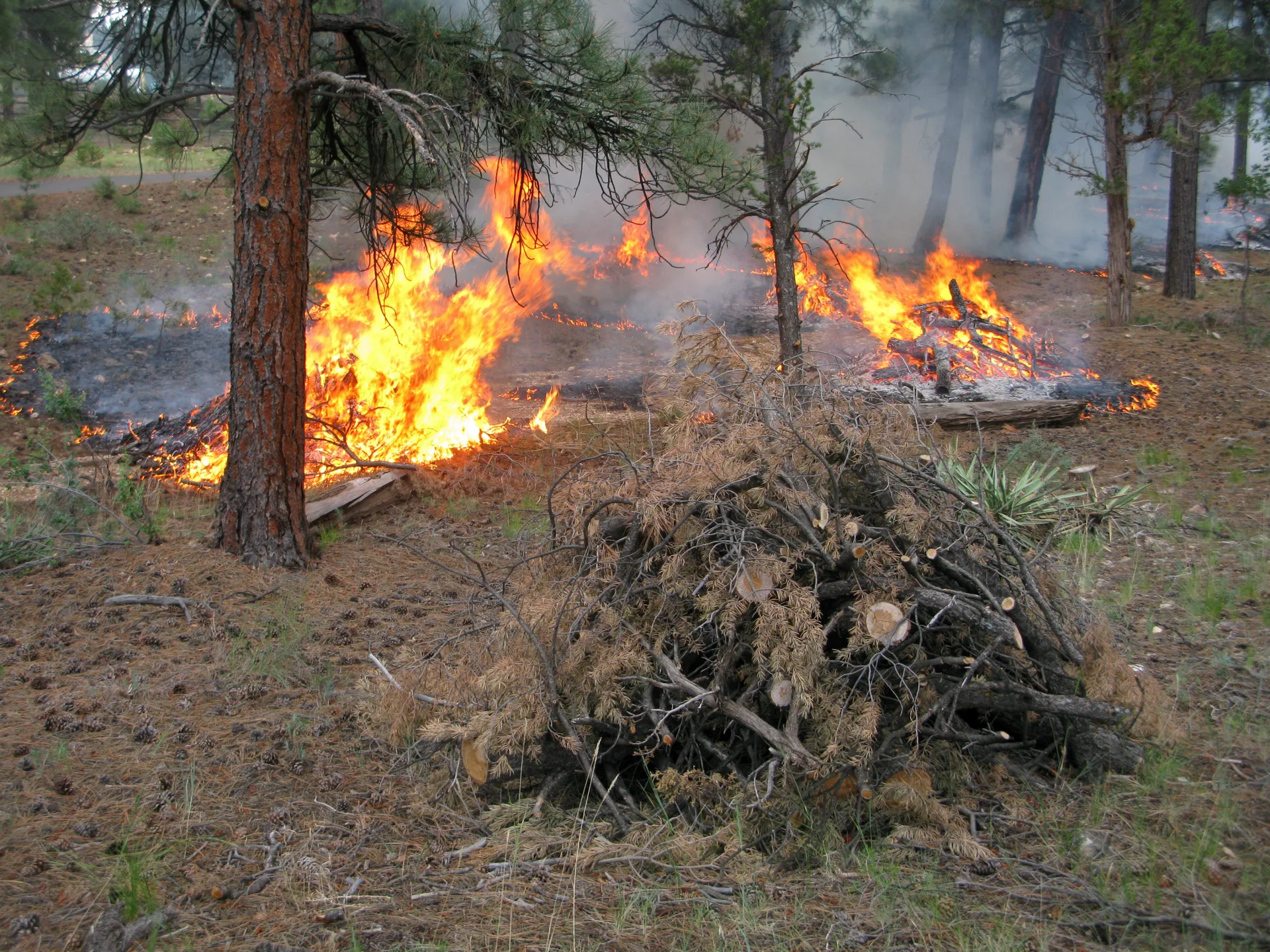
- Clear slash piles and accumulated brush
- Create fuel breaks along driveways and access roads
- Maintain spacing between tree groups and shrub clusters
- Remove ladder fuels that allow ground fire to climb into canopy
Our Fire Mitigation Services
JLS provides comprehensive fire mitigation services that address all three defensible space zones. Our team handles everything from initial assessment through execution and ongoing maintenance.
- Defensible space assessment: Property evaluation identifying specific fire risks, vegetation concerns, and mitigation priorities
- Tree thinning and removal: Strategic removal of dead, dying, and overcrowded trees to reduce fuel density and create crown separation
- Brush clearing and chipping: Removal of scrub oak, gambel oak, mountain mahogany, and other fire-prone shrub species
- Ladder fuel removal: Pruning lower branches and removing understory vegetation that allows ground fire to reach tree canopies
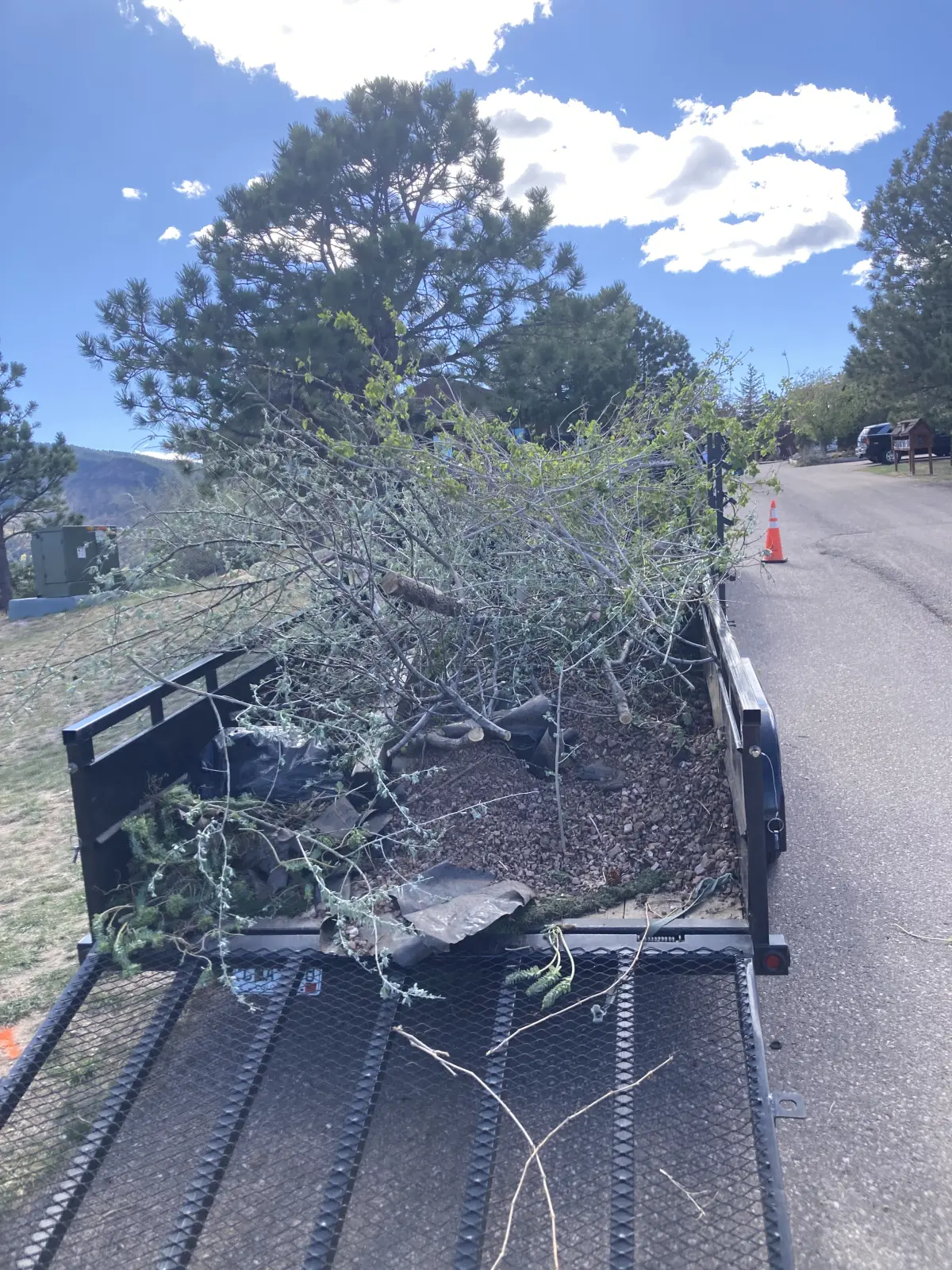
- Slash removal and disposal: Hauling or chipping all cut material -- no slash piles left on your property to create additional fire risk
- Fire-resistant landscaping: Replacement of flammable vegetation with fire-resistant native species and non-combustible ground cover
- Ongoing maintenance: Annual or seasonal revisits to maintain defensible space as vegetation regrows
Fire Mitigation and Your Insurance
Many Colorado homeowners have experienced insurance non-renewals, premium increases, or coverage restrictions due to wildfire risk. Documented fire mitigation work can directly impact your ability to obtain and maintain affordable homeowner's insurance.
Insurance Eligibility
Many insurers now require documented fire mitigation before issuing or renewing policies for properties in wildfire-prone areas. A professional mitigation assessment with photographic documentation provides the evidence insurers need.
Premium Discounts
Some insurers offer premium reductions of 5-20% for properties with documented defensible space and ongoing fire mitigation maintenance. The cost of annual mitigation often pays for itself through insurance savings alone.
Property Value Protection
Properties with maintained defensible space are more marketable and retain value better in wildfire-prone markets. Buyers and their insurers increasingly evaluate fire mitigation status during the purchase process.
Tax Credits and Grants
Colorado offers a state income tax deduction (up to $2,500) for qualified wildfire mitigation expenses. Some Douglas County communities also offer cost-share programs that cover a portion of mitigation costs. Ask us about available programs in your area.
Douglas County Wildfire Risk Factors
JLS is headquartered in Sedalia, in the heart of Douglas County, and we understand the specific wildfire risk factors that affect this region.
Pine Beetle Damage
Mountain pine beetle has killed millions of trees across Colorado's Front Range forests. Dead standing timber is extremely dry, highly flammable, and creates an elevated fire risk that persists for years after the trees die.
Drought Conditions
Colorado experiences periodic drought that dries out vegetation and reduces soil moisture. During drought years, even normally green landscapes become potential fuel sources for wildfire.
Wind Events
High wind events along the Front Range, including Chinook winds, can drive wildfire at speeds that overwhelm suppression efforts. The Marshall Fire spread at alarming speed due to wind-driven ember transport.
Wildland-Urban Interface Growth
Douglas County's rapid residential growth has pushed neighborhoods deeper into forested and grassland areas. Properties in the WUI face wildfire risk that traditional suburban landscapes never contended with.
Complete Property Protection
Landscape Maintenance
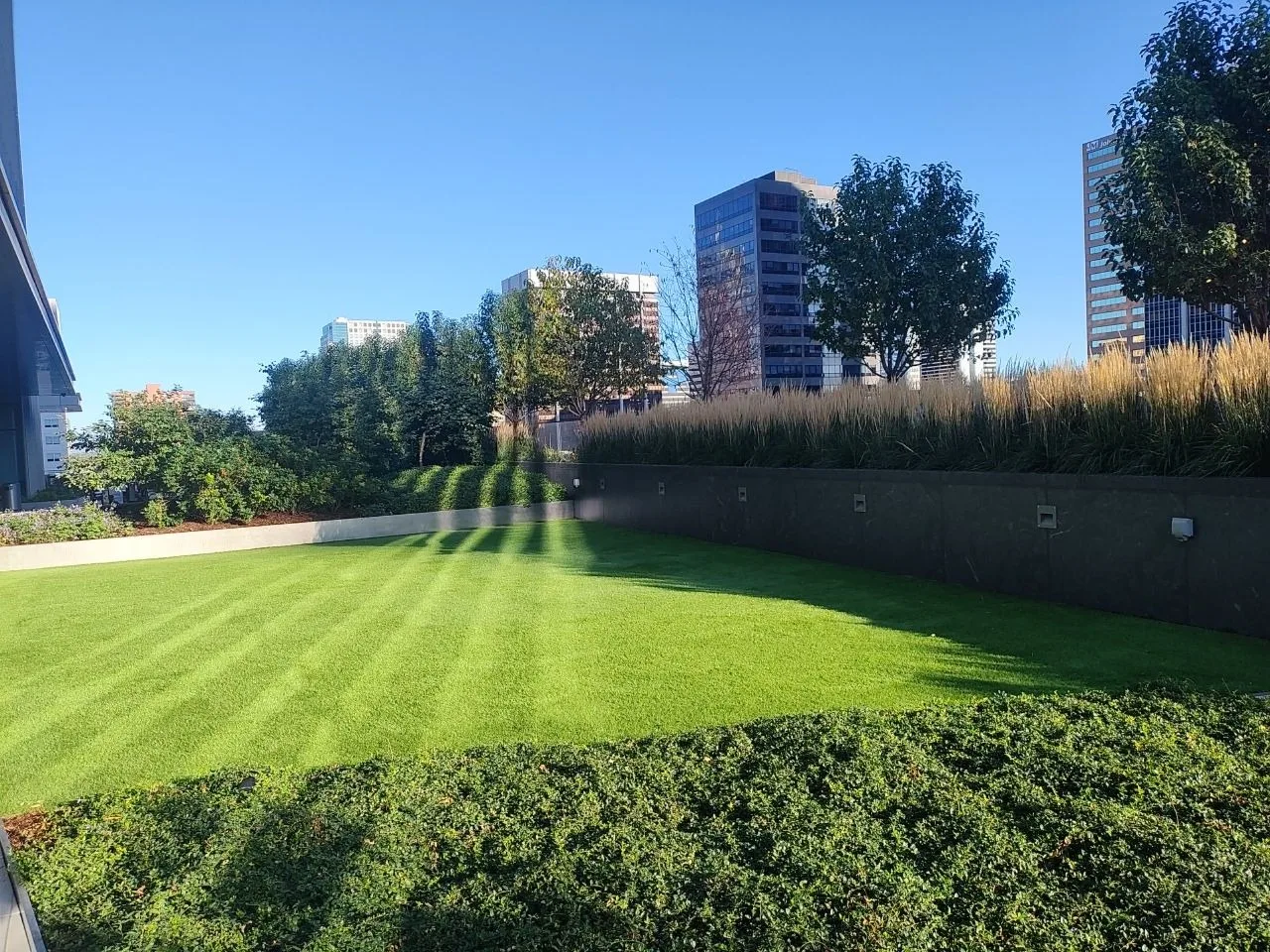
Ongoing property maintenance keeps your defensible space maintained year-round. Mowing, pruning, and vegetation management are essential for sustained fire protection.
Learn More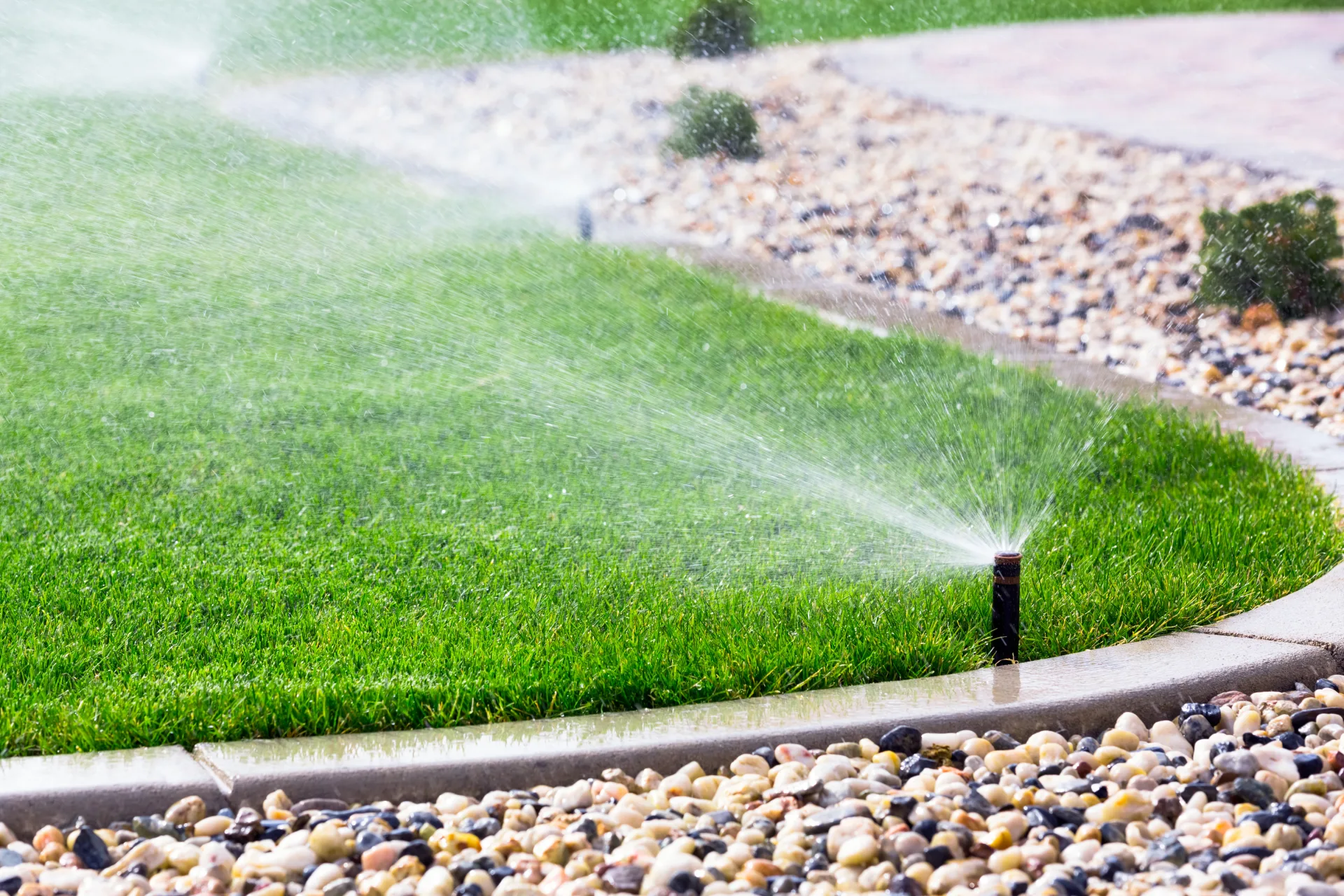
Irrigation Services
Well-irrigated landscapes in Zone 1 provide an additional layer of fire protection. Smart irrigation keeps your green buffer zone hydrated during dry periods.
Learn More
Commercial Landscaping
Commercial properties in the WUI need fire-aware landscaping. We design and maintain landscapes that meet both aesthetic and fire safety standards.
Learn MoreFire Mitigation FAQ
Fire mitigation costs vary significantly based on property size, vegetation density, terrain, and the current state of your defensible space. A small residential lot with light brush may cost considerably less than a multi-acre property with dense timber. Contact JLS at 303-791-9121 for a property assessment and quote. Remember that Colorado offers a state tax deduction of up to $2,500 for qualified fire mitigation expenses.
While Douglas County does not currently mandate fire mitigation for all properties, many HOAs and community associations in fire-prone areas do require it. More importantly, many insurance companies now require documented fire mitigation before issuing or renewing policies for properties in the WUI. Even without a legal requirement, fire mitigation is strongly recommended by the Colorado State Forest Service and local fire departments for any property near wildland areas.
Fire mitigation work can be performed year-round in Colorado, but late fall through early spring is often ideal because the ground is frozen (reducing soil disturbance), trees are dormant (reducing stress), and visibility is better with less foliage. However, urgent mitigation -- such as removing dead beetle-killed trees before fire season -- should not be delayed regardless of season. JLS schedules fire mitigation throughout the year to meet our clients' needs and timelines.
Initial fire mitigation creates your defensible space, but vegetation regrows. Annual maintenance visits are recommended to manage regrowth, remove new dead material, re-thin as needed, and maintain the fuel breaks established during initial mitigation. JLS offers ongoing maintenance programs that keep your defensible space in compliance year after year.