Lawn Aeration Services in Denver, CO
Professional core aeration that breaks through Denver's clay-heavy soil, improves water absorption by up to 50%, and promotes deeper, stronger root systems for healthier turf year-round.
Why Lawn Aeration Is Essential in Denver
Denver sits on some of the most compacted, clay-heavy soil in the country. Colorado's bentonite and montmorillonite clay soils expand when wet and contract when dry, creating a dense surface layer that prevents water, oxygen, and nutrients from reaching grass roots. Without regular aeration, lawns in Denver become thin, stressed, and increasingly dependent on excessive watering to survive.
Lawn aeration -- specifically core aeration -- is the single most effective treatment for compacted Colorado soil. The process removes thousands of small soil plugs from your lawn, creating channels that allow water, air, and fertilizer to penetrate directly into the root zone. The result is a lawn that absorbs water more efficiently (reducing irrigation run-times), develops deeper roots (improving drought tolerance), and recovers faster from the stresses of Colorado's hot summers and cold winters.
JLS Landscape & Sprinkler provides professional lawn aeration in Denver for both commercial properties and residential lawns throughout Douglas County. With 50+ years of experience working in Colorado's unique soil conditions, our technicians know exactly when, how, and how often to aerate for the best results on your specific turf type and soil profile.
Core Aeration vs. Spike Aeration
Not all aeration is created equal. The method matters, especially in Denver's clay soil.
Core Aeration (What We Recommend)
Core aeration uses hollow tines to remove small plugs of soil, typically 2-3 inches deep and 0.5-0.75 inches in diameter. These plugs are deposited on the surface and break down naturally within 1-2 weeks, returning organic matter to the soil.
Core aeration is the gold standard for Denver lawns because it actually removes compacted soil, creating space for roots to expand. It relieves compaction at the root zone level, improves water infiltration, and allows fertilizer to reach where it is needed most. The soil cores left on the surface also act as a natural topdressing that helps break down thatch.
Best for: All Denver lawns, especially those on clay soil, high-traffic areas, and turf that has not been aerated in 2+ years.
Spike Aeration (Less Effective)
Spike aeration uses solid tines or spikes to poke holes in the soil without removing any material. While this creates surface openings, it actually compresses the soil around each hole, which can worsen compaction in clay-heavy soils over time.
Spike aeration has limited value in sandy or loam soils where compaction is minimal. However, in Denver's clay soils, spike aeration provides only temporary surface relief and does not address the root-zone compaction that limits grass growth.
JLS does not recommend spike aeration for Denver properties. The marginal improvement does not justify the cost when core aeration delivers significantly better and longer-lasting results.
When to Aerate Your Lawn in Colorado
Timing is critical for lawn aeration in Denver. Aerating at the wrong time can stress your turf rather than help it. The best aeration windows align with your grass type's peak growing periods.
Cool-Season Grasses (Kentucky Bluegrass, Fescue)
The vast majority of Denver lawns are cool-season grasses. The best time to aerate is during their active growth periods:
- Fall (September - October): The ideal window. Cooler temperatures and fall moisture create perfect recovery conditions. Aeration paired with overseeding in fall delivers the best results.
- Spring (April - May): Second-best window. Aerate after the soil has thawed and dried enough for equipment, but before summer heat stress arrives.
Warm-Season Grasses (Buffalograss)
For the less common warm-season lawns in the Denver area, aerate in late May through June when the grass is actively growing and can recover quickly from the process.
JLS recommends aerating Denver lawns at least once per year for residential properties and twice per year (spring and fall) for high-traffic commercial properties, athletic fields, and heavily compacted sites.
Benefits of Professional Lawn Aeration
Aeration delivers measurable improvements to your lawn's health, appearance, and water efficiency. Here is what core aeration does for Denver lawns.
Improved Water Absorption
Aerated lawns absorb water up to 50% more effectively than compacted turf. This means less runoff, less water waste, and lower irrigation run-times needed to achieve the same level of moisture in the root zone.
Stronger, Deeper Root Systems
Reduced compaction allows roots to grow deeper into the soil profile, accessing moisture and nutrients that surface-rooted grass cannot reach. Deeper roots mean better drought tolerance and faster recovery from summer heat stress.
Reduced Soil Compaction
Every core removed creates a channel that relieves soil density. Over a full aeration pass, thousands of these channels transform a concrete-like clay surface into a more porous growing medium that grass roots can actually penetrate.
Better Fertilizer Uptake
Fertilizer applied to compacted soil sits on the surface and often runs off before it can be absorbed. Post-aeration fertilization delivers nutrients directly into the root zone through the aeration holes, dramatically improving effectiveness.
Pair Aeration with Overseeding and Fertilization
The best time to overseed and fertilize your Denver lawn is immediately after aeration. The open channels created by core aeration provide ideal seed-to-soil contact and deliver fertilizer directly to the root zone. JLS recommends combining all three services in a single visit during the fall window for maximum impact.
This three-step combination is the most cost-effective way to thicken a thin lawn, fill in bare spots, and build a stronger turf stand heading into winter dormancy. Ask about our combined aeration-overseeding packages when you request a quote.
Complete Lawn and Landscape Care
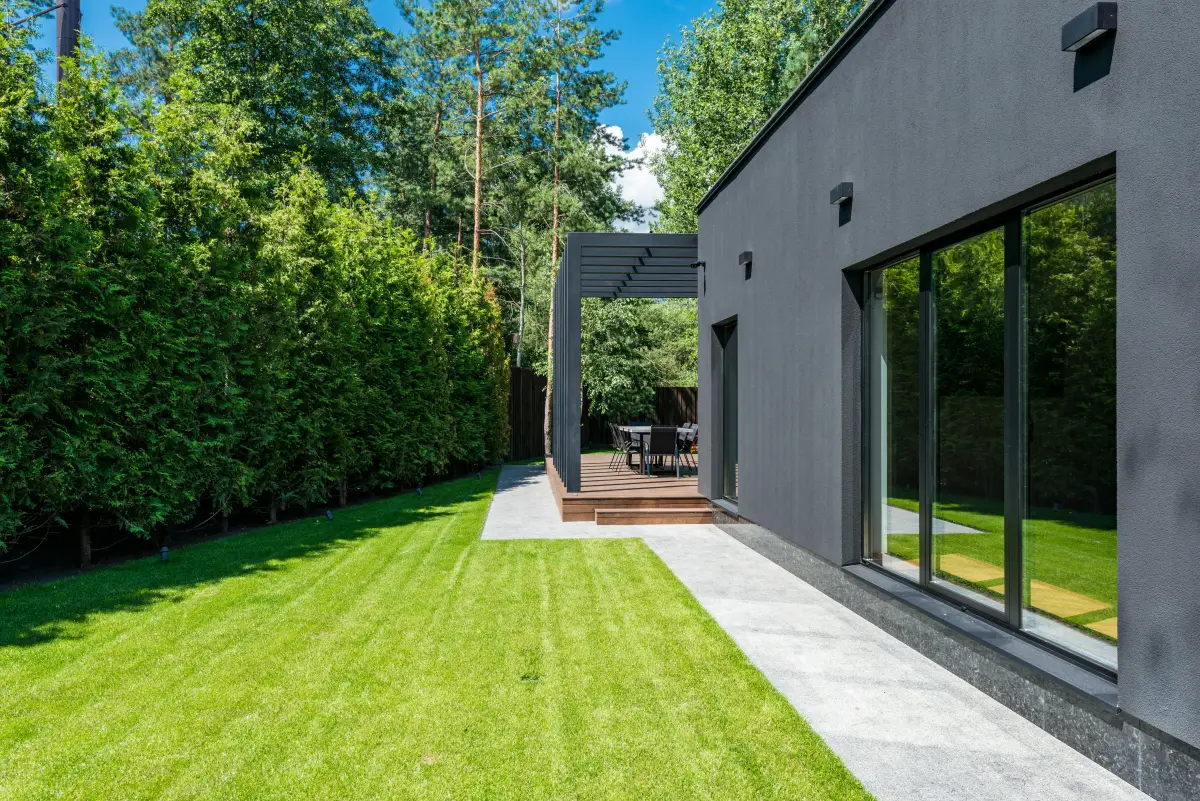
Landscape Maintenance
Year-round property care including mowing, pruning, seasonal color, and turf management for commercial and residential properties.
Learn More
Irrigation Services
Smart irrigation management that works hand-in-hand with aeration. Aerated soil absorbs water more efficiently, reducing your irrigation needs.
Learn More
Sprinkler Repair
Ensure your irrigation system is delivering water efficiently to your freshly aerated lawn. Broken heads and leaky valves waste the benefits of aeration.
Learn MoreLawn Aeration FAQ
Lawn aeration pricing depends on property size, terrain, and whether you combine it with overseeding or fertilization. Residential lawns are generally less expensive, while commercial properties with larger turf areas are quoted based on square footage. Contact JLS at 303-791-9121 for a quote specific to your property.
The soil cores left on the surface break down within 1-2 weeks, depending on weather and irrigation. Your lawn will look completely normal within 2-3 weeks. You can mow, walk on, and water the lawn immediately after aeration -- there is no downtime required. In fact, watering immediately after aeration helps the cores break down faster and drives moisture into the new channels.
Most Denver residential lawns benefit from annual aeration, ideally in the fall. High-traffic commercial properties, athletic fields, and lawns on particularly heavy clay should be aerated twice per year (spring and fall). Properties with sandy or loam soil may only need aeration every other year. Our technicians assess your soil type during the first visit and recommend an appropriate frequency.
Water your lawn 1-2 days before aeration to soften the soil. Hard, dry soil prevents the aerator tines from penetrating deeply enough to be effective. After aeration, water lightly to help the cores break down and drive moisture into the new channels. If you are overseeding after aeration, follow a light, frequent watering schedule (2-3 times daily for 5-10 minutes) for the first 2-3 weeks to keep seeds moist.